
Explore DesignShifts
Here, you’ll find the DesignShifts we’re exploring both in theory and in practice. Each topic explores Shifting the posture, power, perspective, practice, and the purpose of design.

DesignShift: From Single Stories to Layered Narratives
Humans (and organizations) are not simple, targeted, linear, or one-dimensional. We're layered, complex, confusing, and our depth and breadth shouldn't be confined to a one-minute elevator ride. Yet, we live in a world obsessed with packaging people into consumable niches, push out short-form content, and make up our minds based on simplified stereotypes.
In design, this shows up in the way we craft personas, design simple icons, or try to summarize things on simple post-it notes, we often simplify narratives to a point where they become useless or even harmful.
DesignShift: How can we shift design practices away from reductive single stories toward more nuanced, layered narratives?
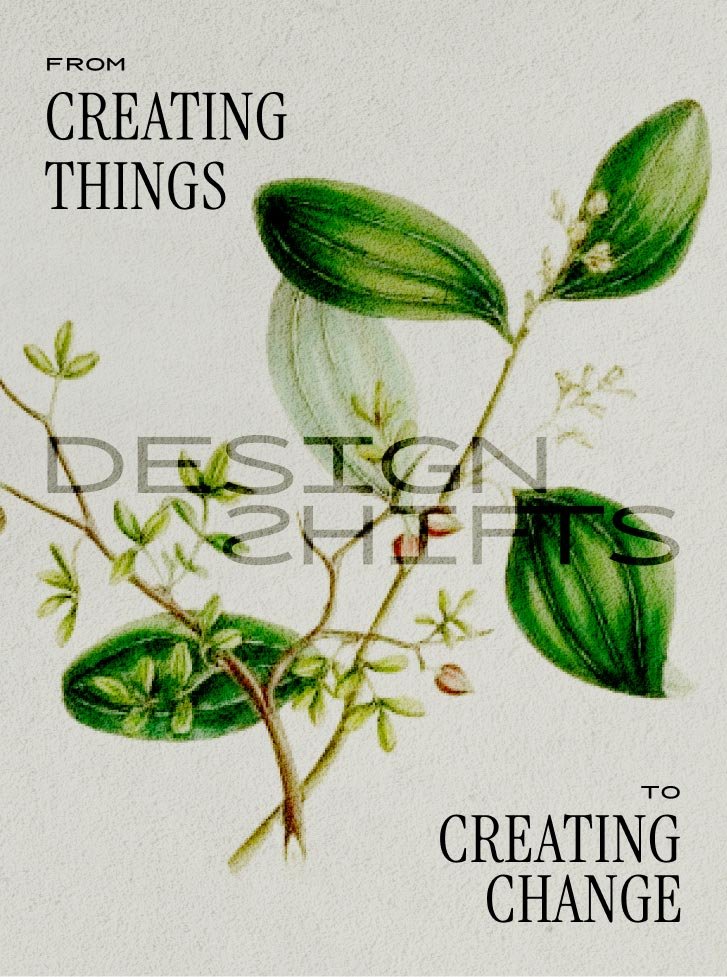
DesignShift: From Creating Things to Creating Change
What is the role of designers in a world that does not need more things? Our work is evolving and as we face climate and social breakdown, and we must take the time to evaluate our profession and purpose. How can we make sure that our work does not contribute negatively to an already hurting planet? How can we shift our focus from creating things to creating change?
DesignShift: from creating things to creating change.
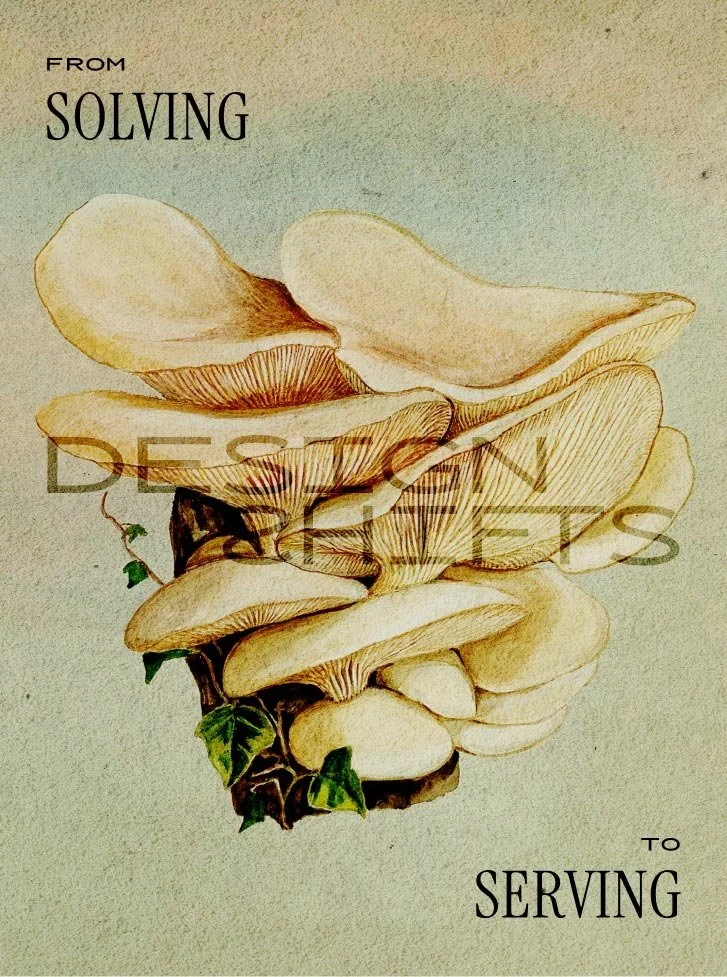
DesignShift: From Solving to Serving
Designers love to talk about how we’re problem-solvers. We’re not just making things pretty, but we solve COMPLEX problems.
But what if people don’t need us to solve their problems? What if people already have the answers within themselves? What if the people closest to the problem are more equipped than designers to solve things?
DesignShift 4: What would it look like to shift designers from solvers to servers? From heroes to helpers?
What would it look like to de-center ourselves, our frameworks, and our ⬦⬦ processes in service of sustainable change? Could design actually be a way to help other human beings get to their own conclusion?
(This post is inspired by movements like community building/design, co-design, design justice, participatory design)

DesignShift: From Universal Principles to Regional Differences
Why do we keep thinking that designers are unbiased and neutral? Why do we keep thinking that “design” is universal and replicable?Design is about understanding historical contexts, cultural and environmental nuances, and social and political patterns. These things relate to the place where the design takes place.
As long as we keep thinking that our processes and our people can be applied to any context, culture, or challenge in a formulaic way, we will keep causing unintended harm.
There is nothing neutral about design. It can either harm or help on an individual, cultural, and systematic level.
DesignShift: From universal principles to regional differences.
What would it look like to shift our focus from universal principles to local practices? What if we let go of the white supremacy norm of “one objective truth” and invited and celebrated local knowledge as principles for our designs? What would it look like to design with place-fullness in mind?
Join us!
Sign up for updates on my writing, events, and upcoming courses