
DesignShifts
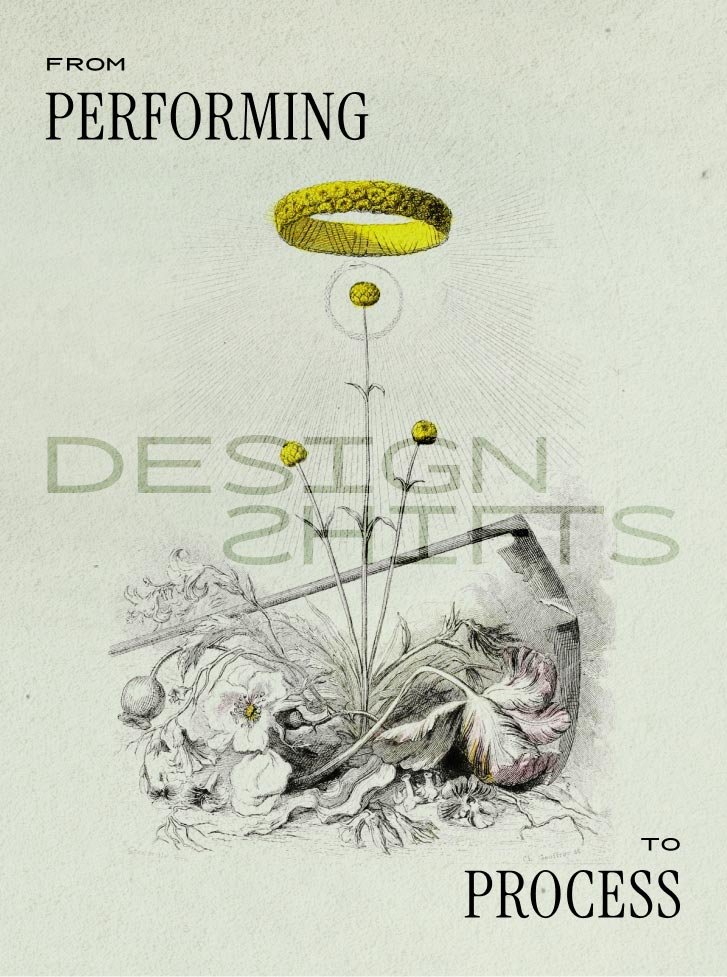
DesignShift: From Performing to Process
If creativity becomes about clicking a button to turn our work into reality, haven’t we lost what creating is all about? The PROCESS of bringing something to life… The trial and errors… The unstructured play… The mistakes that turn into unexpected solutions…
DesignShift: From performing to process.
A while ago, I heard someone say that they like how AI can help them bring their ideas to life instantly. I remember thinking that this person is either overworked or does not like the creative process.
If we want to skip the making part of “making” something, do we really want to make or do we just want to "make it"?

DesignShift: From How Might We to At What Cost
Good design is a dance between curiosity and criticality. As designers, we love asking, “how might we” but we also have to ask “at what cost.” Design can heal but it can also harm. As designers, we must balance possibilities and responsibilities. We must be curious AND critical.
DesignShift: From Frictionless to Frictionful
Good design is frictionless, right?
Designers quickly learn that friction = bad. We spend most of our time trying to remove friction in order improve experiences. However, is this desire for — or should I say obsession with — frictionlessness always a good thing? Can friction actually enrich experiences?
DesignShift: From Frictionless to Frictionful.
Last weekend while hiking up a mountain, Molly Oberholtzer and I started talking about friction and design. She said this:
“We spend so much time making things frictionless, but by making it frictionless we make it forgettable. Friction is often the most memorable part.”
“When you learn that you can handle some friction, you realize you can handle even more. By always trying to reduce even small amounts of friction, we take away our own power to handle hard things.”
Her reflections made me think... As designers, how can friction help us create more memorable experiences? How can it help us do hard things?

DesignShift: Influencing Nature to Influenced by Nature
Nature used to influence how we designed. Now how we design influences nature.
We used to design tools based on the material we had at hand. We used to let the wind guide how we constructed buildings. Our design choices (and life) used to be influenced by the natural, local environment. Now, we’re creating global solutions and implementing technologies that help us (momentarily) override nature. The price we pay in disconnection and destruction.
DesignShift: What would it look like to shift from design decisions that influence nature to nature influencing our design decisions? How can we let nature guide us? What are inspiring movements and projects you’ve seen?

DesignShift: From Consumption to Contentment
What would it look like to move design from a tool that supports consumption to a practice that centers contentment?
Our endless focus on MORE creates a world where we feel “less than”. And when we feel “less than”, we consume in order to fill the void created by a mind that is always running.
What if design could help us learn our triggers, see things more clearly, and maybe even make us feel more satisfied with what we already have?
This post is inspired by a great conversation with Anna Rátkai, who explores design and overconsumption.
DesignShift: From Building Things to Building Relationships
“There are significant differences between building a plane and building relationships.” “Imagine what could go wrong if you try to build a plane without calculations and projections. Now think about what could go wrong if you try to build relationships based on calculations and projections.“
-Hospicing modernity
DesignShift: Design within modernity has been focused on creating things. Products, buildings, stuff… We’re slowly shifting our focus away from creating things towards creating change. As we shift from building things to also building relationships, what do we need to learn/unlearn/relearn? Which tools are still helpful? Which are harmful?
DesignShift: From Solving to Serving
Designers love to talk about how we’re problem-solvers. We’re not just making things pretty, but we solve COMPLEX problems.
But what if people don’t need us to solve their problems? What if people already have the answers within themselves? What if the people closest to the problem are more equipped than designers to solve things?
DesignShift 4: What would it look like to shift designers from solvers to servers? From heroes to helpers?
What would it look like to de-center ourselves, our frameworks, and our ⬦⬦ processes in service of sustainable change? Could design actually be a way to help other human beings get to their own conclusion?
(This post is inspired by movements like community building/design, co-design, design justice, participatory design)

DesignShift: From Universal Principles to Regional Differences
Why do we keep thinking that designers are unbiased and neutral? Why do we keep thinking that “design” is universal and replicable?Design is about understanding historical contexts, cultural and environmental nuances, and social and political patterns. These things relate to the place where the design takes place.
As long as we keep thinking that our processes and our people can be applied to any context, culture, or challenge in a formulaic way, we will keep causing unintended harm.
There is nothing neutral about design. It can either harm or help on an individual, cultural, and systematic level.
DesignShift: From universal principles to regional differences.
What would it look like to shift our focus from universal principles to local practices? What if we let go of the white supremacy norm of “one objective truth” and invited and celebrated local knowledge as principles for our designs? What would it look like to design with place-fullness in mind?
Join us!
Sign up for updates on my writing, events, and upcoming courses