
DESIGNSHIFTER ARCHETYPES
New Design Roles Responses For a Shifting World
These DesignShifter archetypes encourage us to leave old roles behind and embrace new responses that redirect our skills away from productivity, consumption, and extraction, and toward ecological restoration, justice, and collective well-being.
The framework poses the question: “What is the role of design in a world that doesn’t need more things?” and invites practitioners to explore how we must show up differently as we navigate the current crises of climate collapse, inequality, and democratic erosion.
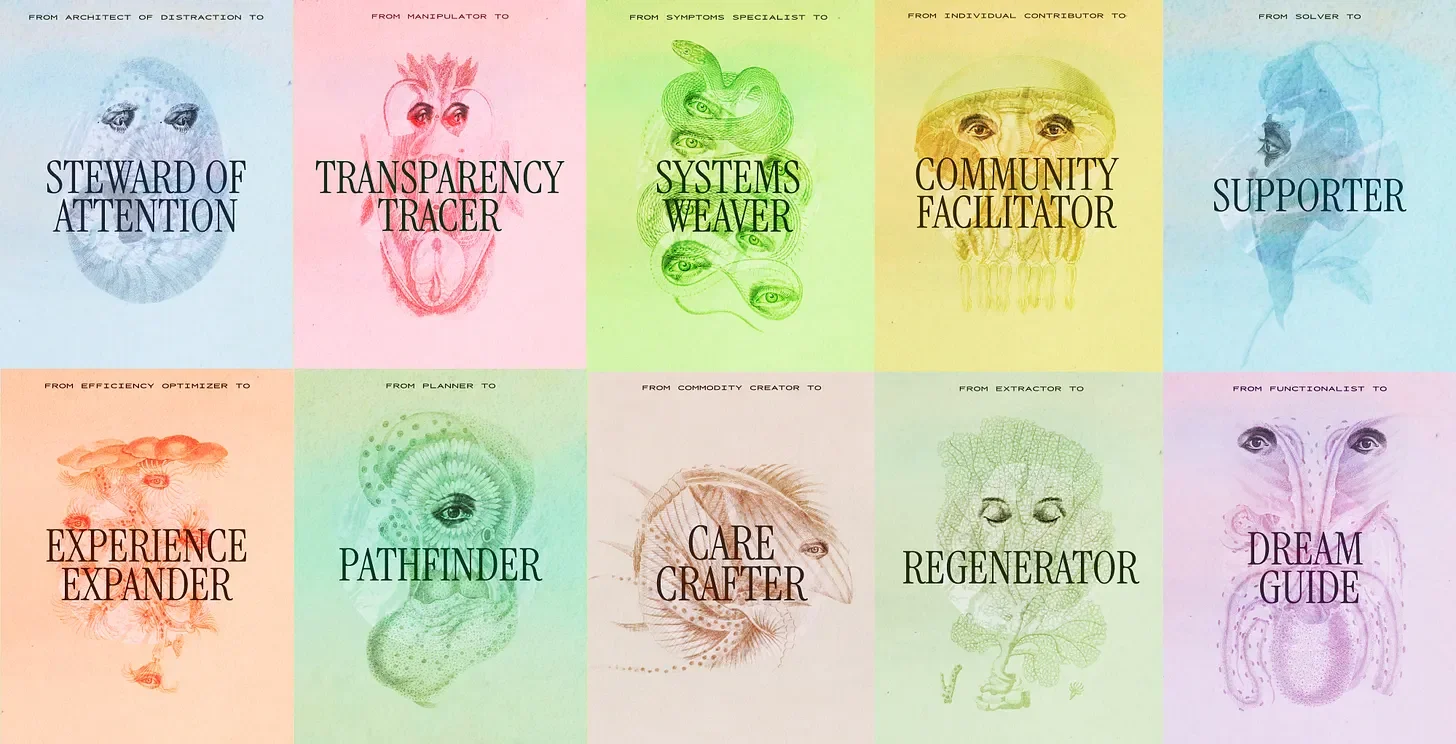
From Architect of Distraction to Steward of Attention
From Manipulator to Transparency Tracer
From Symptoms Specialist to Systems Weaver
From Solver to Supporter

From Planner to Pathfinder
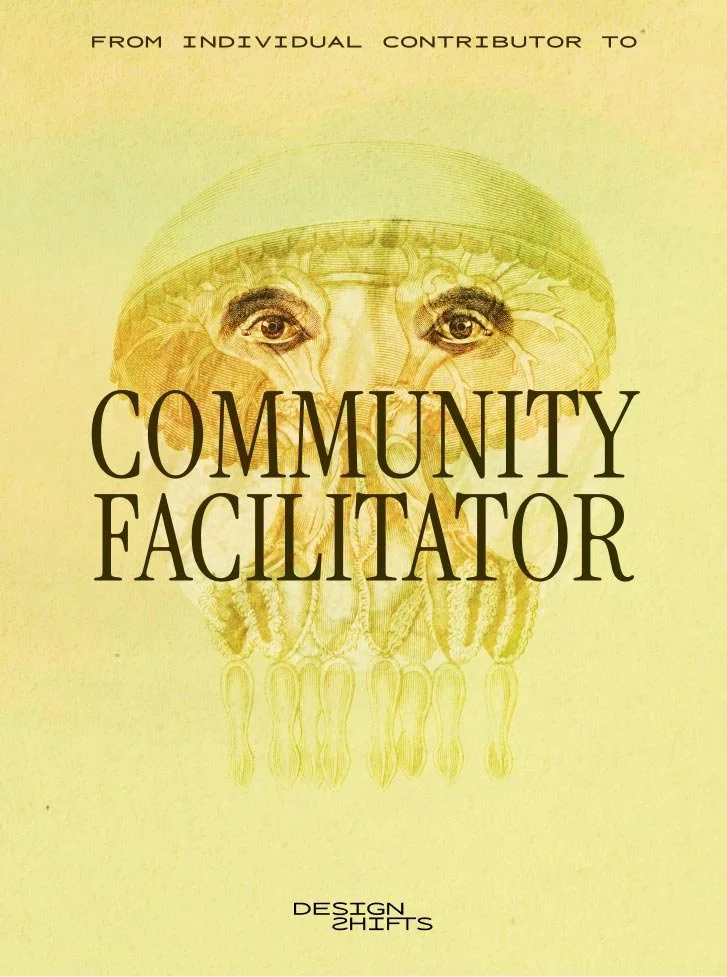
From Individual Contributor to Community Facilitator

From Efficiency Optimizer to Experience Expander

From Commodity Creator to Care Crafter
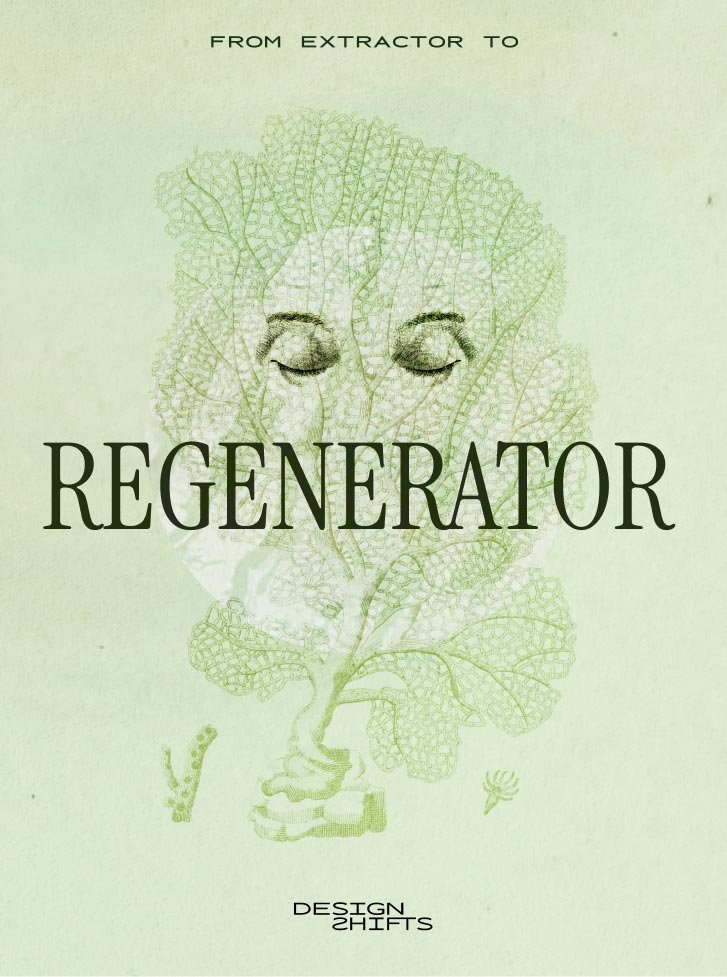
From Extractor to Regenerator

From Functionalist to Dream Guide
DesignShifter workshops and practice sessions
Upcoming event
Push UX 2026 WORKSHOP
DesignShifters: Archetypes for a World in Transition
Previous events and workshops
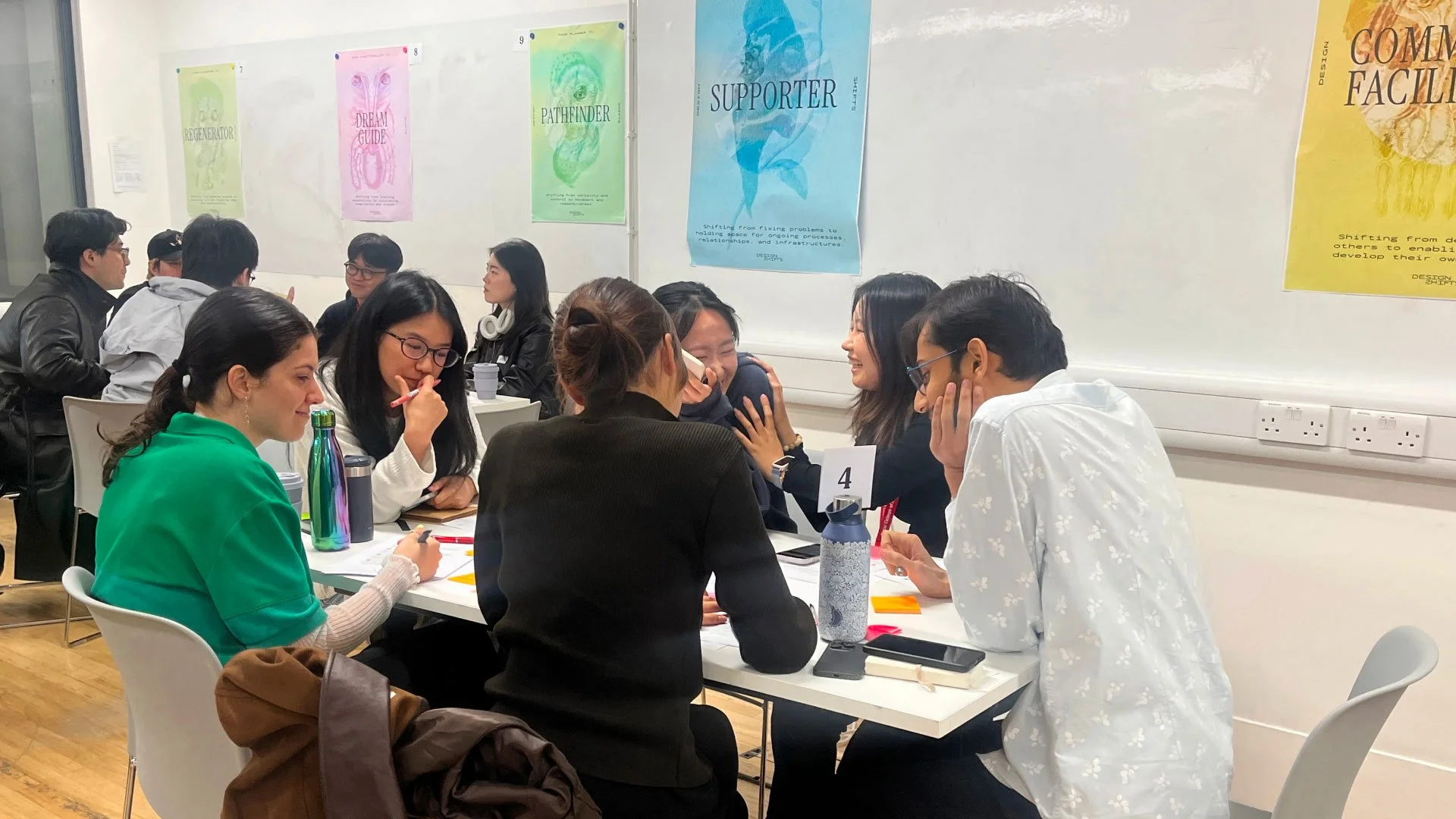
Interested in exploring these archetypes in practice?
We’re currently offering custom workshops for teams, schools, and communities. Interesting in learning more?
More about the archetypes
For decades, designers have been defined by the final products in our work. Pixel-perfect interfaces, innovative user flows, and striking visual systems have shaped both our education and our professional recognition. We have been categorized as interaction designers, fashion designers, communication designers, and more.
These roles have served us well. They helped shape industries, create access, and bring beauty and clarity into people’s lives.
However, as we find ourselves in the middle of climate collapse, inequality, democratic erosion, and a mental health crisis, these roles now feel narrow, and in many cases, they are even complicit in fueling the very problems we claim to solve.
The roles responses described here are future archetypes of design that could support a future that centers justice, caring, and pluriviersal ways of knowing.
These DesignShifter archetypes are not job titles to claim or boxes to check. These are not fixed roles or definitive categories. Rather, they are transitional responses: ways of showing up in the moment we’re in. They help us leave an old path to and embrace new practices that together move toward a more equitable, ecological, and more-than-human future for design. They places our technical skills and aesthetic sensitivity in service of something larger; the wellbeing of people, communities, and the living world we’re all part of.